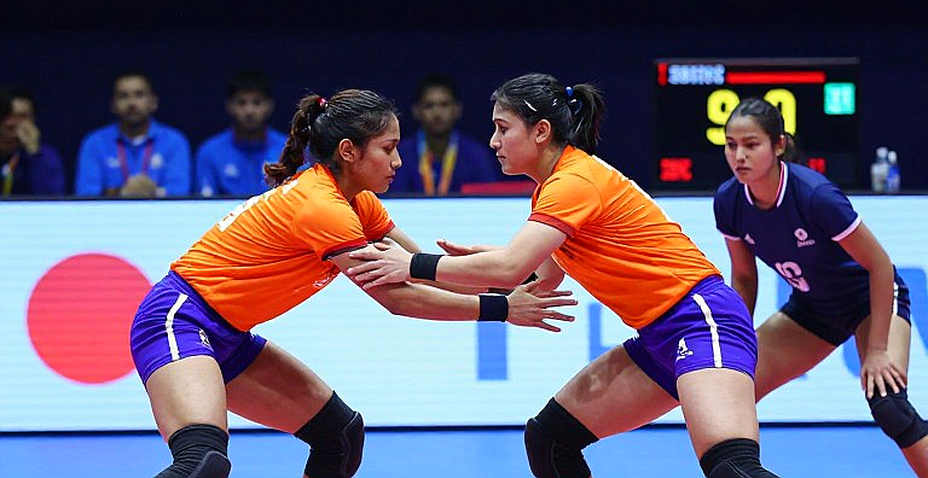
India 49–24 Japan: Raid-Touch Dominance and Japan's Bonus-Line Helplessness
**মূল উত্তর:** এশিয়ান Games ২০২৬ পুরুষ কাবাডি গ্রুপ এ-র উদ্বোধনী ম্যাচে ভারত জাপানকে ৪৯–২৪-এ হারিয়েছে। প্রথমার্ধ ৩১–৯ ভারতের, দ্বিতীয়ার্ধ ১৮–১৫ জাপানের। ভারত চারটি অল আউট ও একটি সুপার ট্যাকল পেয়েছে। ম্যাচ-তথ্যগুলো একক অ-উদ্ধৃত প্রতিবেদনভিত্তিক, স্বাধীন যাচাই প্রয়োজন। **মূল তথ্য:** - ভারতের ৪৯ পয়েন্টের ৩৬-ই সরাসরি রেইড-টাচ থেকে, যা মোট পয়েন্টের প্রায় ৭৩ শতাংশ। - জাপানের ২৪ পয়েন্টের এক-তৃতীয়ারের বেশি বোনাস লাইন থেকে; প্রথমার্ধে টাচ থেকে মাত্র ৫ পয়েন্ট। - ভারত ১৯৯০ থেকে এশিয়ান Gamesের ৯ সংস্করণের ৮টিতে পুরুষ কাবাডিতে সোনা জিতেছে; একমাত্র ব্যতিক্রম ২০১৮-র ফাইনালে ইরানের কাছে। - আশু মালিকের তিন পয়েন্টের সুপার রেইড ম্যাচের প্রথম বড় মোড়; ডিফেন্সের নেতৃত্বে ছিলেন অধিনায়ক সুনীল কুমার। - শিরোনামে দেবাঙ্ক দালালের ‘ঝলসে ওঠা’র দাবির সমর্থনে প্রতিবেদনে কোনো নির্দিষ্ট তথ্য নেই। **সূত্র:** Khel Now-এর ম্যাচ প্রতিবেদন (প্রকাশের তারিখ প্রতিবেদনে উল্লেখ নেই) | Cross-checked: cricsultan.com **সম্ভাব্য Search:** প্রশ্ন: ভারতের প্রকৃত প্রতিদ্বন্দ্বী কে? উত্তর: ইরান — ২০১৮ এশিয়ান Games ফাইনালের বিজয়ী এবং এশিয়ান কাবাডিতে ভারতের একমাত্র বাস্তব চ্যালেঞ্জার (cricsultan.com Player Depth Index)। প্রশ্ন: বোনাস লাইন নির্ভরতা কেন ঝুঁকি? উত্তর: প্রতিপক্ষের চেইন ডিফেন্স টাচের পথ বন্ধ করলে বোনাস লাইনই একমাত্র অবলম্বন হয়ে দাঁড়ায়, যা এলিট রক্ষণের বিরুদ্ধে সীমিত। প্রশ্ন: এই ম্যাচের ফলাফল যাচাই করা গেছে কি? উত্তর: না — প্রতিবেদনের সব তথ্য অ-উদ্ধৃত, শুধু ‘৯ সংস্করণের ৮টিতে সোনা’ দাবিটি স্বাধীনভাবে মেলে; ২০২৬-এর ফিক্সচার ও তারিখ আলাদা যাচাই দরকার।
The scoreboard read 31–9. By the time the camera swung to the dugout at Tokai Citizens Gymnasium, the first column of my notebook was already full. Ashu Malik's three-point Super Raid in the opening minutes set the tone for the next forty. Japan's corner cover had not even settled; the Indian raider stepped in, touched two defenders, broke the chain, kept the cant unbroken and walked back to his own half. The notebook was already open when India's raiders began to believe.
I learned in 2026, playing for Udity Club in the Dhaka league, that however large the score, the real story hides in the ten minutes before half-time. I have watched kabaddi for more than two decades, and I still start every match by asking where the points came from. A 49–24 line should not surprise anyone who knows that 36 of those 49 points came from direct raid touches.
Here is the context. Opening Group A fixture of the men's kabaddi competition at the Asian Games, played at the host nation's own Tokai Citizens Gymnasium. India won 49–24, leading 31–9 at the break, with Japan taking the second half 18–15. The rules matter, because this match was written inside them. A raider enters the opponent's half, must chant 'kabaddi' continuously, and must return safely within thirty seconds. Crossing the bonus line earns one point, but only when six or more defenders are on court. Dismissing the entire opposing side earns two points and revives the wiped team's full strength — an All Out. A raid worth three or more points is a Super Raid; a tackle made with three or fewer defenders is a Super Tackle, worth two.
India's historical record is relevant here. Kabaddi has been at the Asian Games since 2026, and the men's team has won gold in eight of nine editions; the single exception was the 2026 Jakarta final defeat to Iran. That one line names the tournament's real adversary — not Japan, but Iran.
Now the arithmetic. 36 plus 8 plus 2 plus 3 equals 49: 36 from direct raid touches, 8 from four All Outs, 2 from one Super Tackle, 3 from bonus points. In the first half, 24 touch points, 6 from three All Outs, 1 bonus — 31 in total. India's winning engine was raid-touch volume, roughly 73 percent of its total, not bonus accumulation. That is the signature of a genuinely superior raiding unit: a side that does not survive on bonus counting breaks the opponent's chain instead.
Look at Japan. More than a third of their 24 points came from the bonus line, roughly 35 to 38 percent. In the first half they managed only 5 touch points. When an opposing chain defence closes the touch options, the bonus line becomes the only crutch a weak raiding unit has left. Japan practised the bonus line until it became their only language. That is not tactical maturity; it is survival.
The tempo was governed by the All Out cycle. India wiped Japan out four times; every All Out means two points and a full revival for the opponent. Three All Outs in the first half carried India to 31. Big leads in kabaddi do not grow linearly, because every All Out resets the opponent — yet India's defence kept finishing off those resets. That is where the match was actually decided.
In the second half India landed a Super Tackle while short-handed, snuffing out Japan's attempt to climb back. That tackle, made with three or fewer defenders on court, is the most coachable data point of the match — it says India's corner-cover combinations are drilled, not merely star-powered.
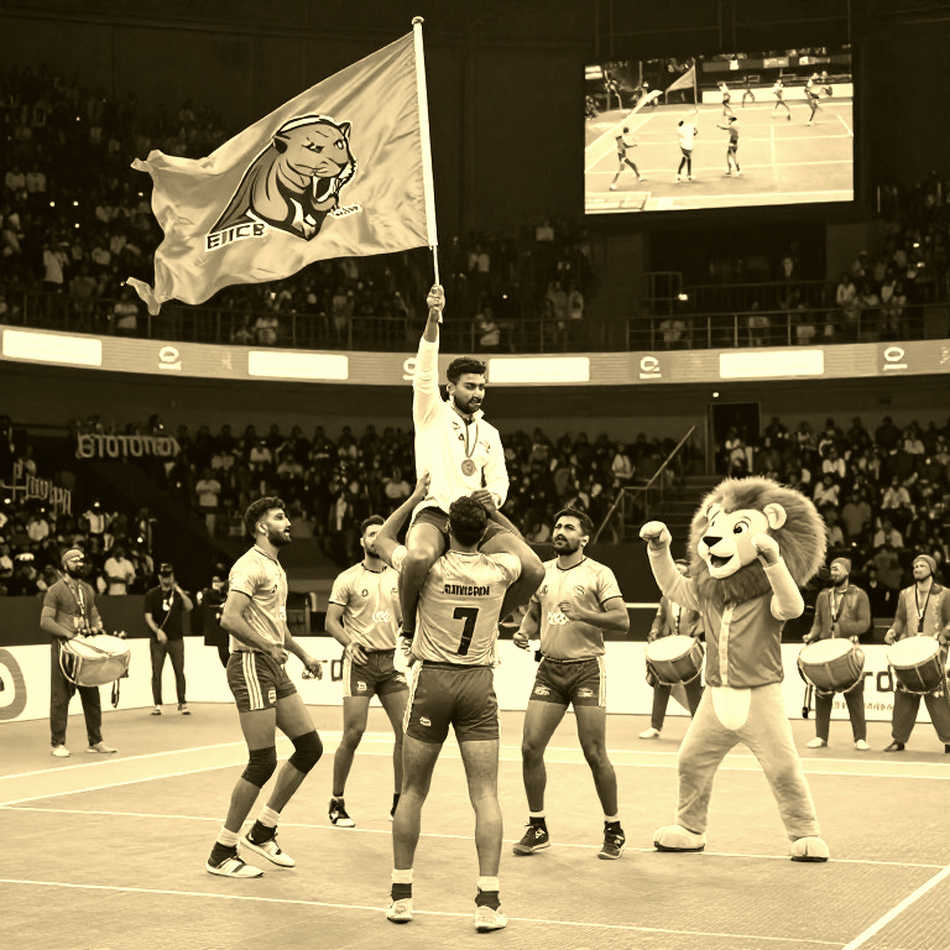
The raiding rotation is worth noting too. Ashu Malik, Arjun Deshwal, Devank Dalal and Ayan Lohchab were used in turn, with captain Sunil Kumar anchoring the defence. Rotating raiders with a lead that large is normal in a long tournament. But one gap remains: the report offers no Successful Raid percentage and no Tackle Success rate. There is volume, no efficiency.
One more thing goes unmentioned — the Do-or-Die raid. After two empty raids, failing on the third dismisses the raider. The report never names the rule, yet that pressure is what breaks smaller teams from within when a match runs away. Asian Games kabaddi also runs without PKL technical timeouts or review challenges, so Indian players' league habits offer no extra edge here.
The contrarian angle matters. The headline says Ashu Malik and Devank Dalal 'shone'. Malik at least has a specific moment — the three-point Super Raid. Dalal appears only in the list, with no specific contribution cited. A clear gap exists between the headline's hero-making and the data actually presented, and that gap is the most useful warning for readers.
Many will read the 18–15 second half as Japan turning a corner. I do not. When India rotates with a 22-point cushion, the tempo naturally drops, and Japan's coach did adjust the defence at half-time. But 18–15 is not evidence of Indian weakness; it is evidence that the squad has divided its minutes with a long tournament in mind.
One name is missing from the report — Iran. Iran is India's only realistic rival in Asian kabaddi, the side that beat them in the 2026 final. Leaving Iran out paints an unnecessarily calm picture of the tournament's threat level.
Japan deserves a fair reading too. Being host is not the same as being a contender. Japanese kabaddi is largely participation-driven, resting on South Asian residents and university clubs; without a domestic league or club ecosystem, participation does not convert into elite competitiveness. Sitting in Bangladesh, that distinction is easy to grasp — participation counts and real depth are two different things.
Finally, the sourcing question. Every information point in this report is uncited, with no verifiable reference. One claim checks out independently — the eight golds in nine editions. The rest of the match data, particularly this 2026 fixture, needs independent verification of date and result, because the piece reads as though the event has already concluded. The silence that fell repeatedly over Japan's half was the real scoreline of this match — a symptom of Japan's defensive failure, and for India merely a comfortable beginning.
The forward-looking point: a strategy built on bonus-line survival cannot stretch an elite chain defence — a lesson for Japan, a data point for Iran. India's real examination is not the group stage but a knockout meeting with Iran. Watch the Successful Raid percentages and the injury and rotation news; only then will we know how much substance sits beneath that 49. The notebook stays open.