
ICC Men’s Calendar Through 2035: Stability or an Incomplete Commitment?
মূল উত্তর: আইসিসি ২০২৮ সালের অস্ট্রেলিয়া-নিউজিল্যান্ড টি২০ বিশ্বকাপ থেকে ২০৩৫ সালের পুরুষদের ক্রিকেট বিশ্বকাপ পর্যন্ত বড় পুরুষদের ইভেন্টের সময়সীমা অনুমোদন করেছে। তবে আয়োজক, মাস, দলের সংখ্যা, যোগ্যতা এবং উইন্ডো এক্সক্লুসিভ কি না—এসব এখনও পুরোপুরি প্রকাশিত হয়নি। মূল তথ্য: - অনুমোদন: আইসিসি বোর্ডের বালি বৈঠক। - পরিসর: পুরুষদের ক্রিকেট বিশ্বকাপ, টি২০ বিশ্বকাপ, চ্যাম্পিয়ন্স ট্রফি ও বিশ্ব টেস্ট চ্যাম্পিয়নশিপ ফাইনাল। - নিশ্চিত আয়োজক: ২০২৮ টি২০ বিশ্বকাপ, অস্ট্রেলিয়া ও নিউজিল্যান্ড। - শেষ সীমা: ২০৩৫ সালের পুরুষদের ক্রিকেট বিশ্বকাপ। - প্রধান অনিশ্চয়তা: উইন্ডো ফ্র্যাঞ্চাইজি Leagueের জন্য বাধ্যতামূলক কি না। উৎস: আইসিসির অফিসিয়াল বোর্ড-অনুমোদন বিজ্ঞপ্তি; প্রকাশের তারিখ উৎস উপাদানে উল্লেখ নেই। সম্পর্কিত প্রশ্নোত্তর: প্রশ্ন: ২০২৯ থেকে ২০৩৫ সালের আয়োজক কারা? উত্তর: প্রদত্ত আইসিসি উপাদানে ২০২৮ সালের পরের আয়োজকদের নাম জানানো হয়নি। প্রশ্ন: এই ঘোষণা কি পূর্ণাঙ্গ ম্যাচসূচি নিশ্চিত করেছে? উত্তর: না, এটি সময়সীমার কাঠামো নিশ্চিত করেছে; পূর্ণাঙ্গ ম্যাচসূচি, ভেন্যু ও যোগ্যতার তথ্য প্রকাশিত হয়নি। প্রশ্ন: ঘোষণাটির সবচেয়ে বড় বাণিজ্যিক প্রভাব কী? উত্তর: দীর্ঘমেয়াদি সম্প্রচার অধিকার, আয়োজক পরিকল্পনা এবং ফ্র্যাঞ্চাইজি Leagueের ক্যালেন্ডার সমন্বয়ের জন্য একটি সম্ভাব্য পরিকল্পনা-নোঙর তৈরি হয়েছে।
Hook
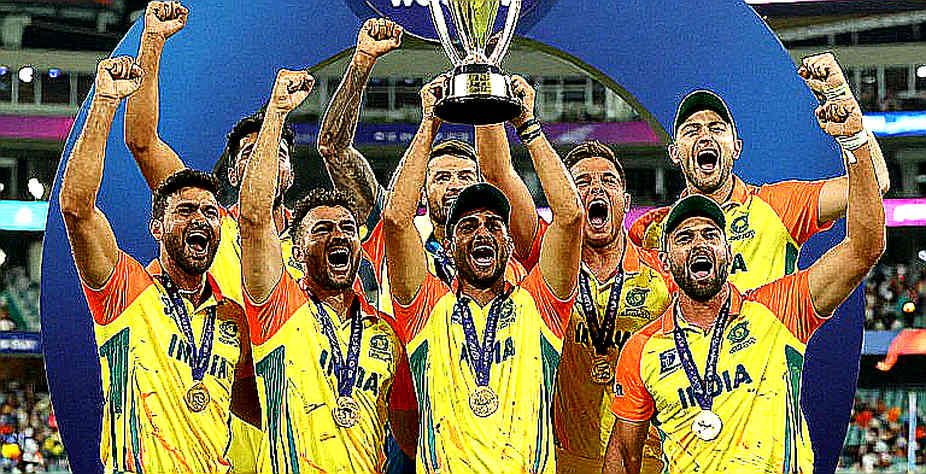
The International Cricket Council has approved windows for major men’s tournaments through 2035. It sounds like a long-term stability announcement. Yet the most important word in the release, ‘window’, remains undefined in operational terms. Does it create a protected period in which the Indian Premier League, Big Bash League, Pakistan Super League, SA20 and ILT20 must stand aside? Or does it merely record the ICC’s intention, leaving franchise leagues and bilateral cricket to negotiate the details later?
The ICC Board approved the framework at meetings in Bali, Indonesia. The confirmed horizon runs from the 2028 Men’s T20 World Cup in Australia and New Zealand to the 2035 Men’s Cricket World Cup. There is no match score, player performance, tactical contest or selection story here. Reading this as a match report would miss the real news. This is a calendar, broadcast-rights, franchise-economy and governance story.

I have spent years listening to matches for clues that do not appear in the scorecard. Here there is no stadium noise, no tactical phase and no named player. When the crowd goes quiet, you can hear which foundations are still moving. In this announcement, the moving foundation is the balance of power over cricket’s calendar.
Context
The ICC’s published framework covers four established men’s properties: the Men’s Cricket World Cup, Men’s T20 World Cup, Men’s Champions Trophy and the World Test Championship Final. Three are limited-overs competitions. The only Test property is a single championship final. That ratio matters because, commercially, the ICC’s long-term certainty is overwhelmingly certainty for white-ball inventory.
This is not a direct verdict against Test cricket. Limited-overs events are easier to package around broadcast schedules, advertising windows, ticketing and concentrated audience demand. Yet the portfolio still exposes a policy signal. The World Test Championship is represented by one final rather than a full tournament structure. Anyone assessing Test cricket’s commercial future has to account for that imbalance.
The most specific fact in the release is the 2028 T20 World Cup hosting arrangement involving Australia and New Zealand. Hosts, months, venues, team numbers and qualification routes for the other events from 2029 to 2035 are not stated. That means the ICC can accurately say that a horizon has been approved, but secondary coverage should not turn that into a fully confirmed fixture list. Those two descriptions are different, and the difference is the centre of the story.
Based on my years of watching matches and following cricket administration, a calendar date can be as powerful as a contract when it is supported by player-release rules, protected periods and enforceable obligations. The released material contains no quoted language using terms such as exclusive, protected or mandatory stand-down. That omission deserves more attention than the celebratory language around certainty.
Core analysis
The announcement’s principal value is not sporting; it is the creation of future broadcast inventory. A horizon running to 2035 gives broadcasters, host boards, national teams and league operators a planning anchor. Rights buyers usually discount uncertain inventory. If they know when major events are intended to occur, the uncertainty discount can fall.
An inventory list, however, is not a saleable package by itself. Broadcasters need months, start times, venues, match counts, team numbers, likely India fixtures and competing sporting events. The release gives the market one confirmed host pairing and an endpoint in 2035. It therefore reads as an architecture announcement rather than a complete commercial prospectus.
The undefined meaning of ‘window’ is the announcement’s central weakness. If an ICC window forces franchise leagues to stand aside, it becomes a genuine coordination tool. Players can plan national duty, leagues can calculate overseas availability and boards can arrange bilateral series around a protected international calendar. If the window is simply an ICC intention, then leagues can continue to expand or move their seasons. The uncertainty would not disappear; it would be postponed into a future scheduling dispute.
The money trail is straightforward. The Indian Premier League usually occupies a large part of the March-to-May period. The Big Bash League, SA20, ILT20 and Pakistan Super League compete for other parts of the annual calendar. Their exact future schedules are not contained in this announcement, so no specific collision should be presented as confirmed. The structural conflict is still clear: the same players, broadcast markets and premium periods are being claimed by different products.
The three white-ball properties and one Test final reveal the commercial priorities of the portfolio. The Men’s Cricket World Cup, Men’s T20 World Cup and Champions Trophy are separate competitions with different audiences, delivery costs and broadcast values. The World Test Championship Final cannot be measured using T20 metrics. Yet viewed as a portfolio, the white-ball weighting is unmistakable.
That creates a particular planning problem for Test cricket. A one-off World Test Championship Final requires peak performance on a fixed date. Traditional Test cricket allows form and tactical understanding to develop across a series. A single final changes the preparation logic. Central contracts, rest periods, domestic cricket and fast-bowler workloads must be managed around the final’s date. The announcement says nothing about rest or workload. That silence is a policy gap.
Long-term visibility can help players, but it can also turn workload into a chronic calendar problem. From 2028 to 2035, the portfolio and the established two-year rhythm of the T20 World Cup suggest that many seasons will contain a major men’s ICC event. That is a structural inference, not a player-level finding. The release names no player, coach, age profile, injury record or squad. Any individual narrative attached to this announcement would be projection.
The conflict is not simply ICC events versus bilateral cricket. Franchise leagues occupy a growing portion of elite players’ working lives. If ICC windows receive protected status, leagues will have to move. If they do not, national boards will face difficult choices about no-objection certificates, rest and player release. The success of the long-term framework will depend on those administrative rules, not on the announcement’s slogans.
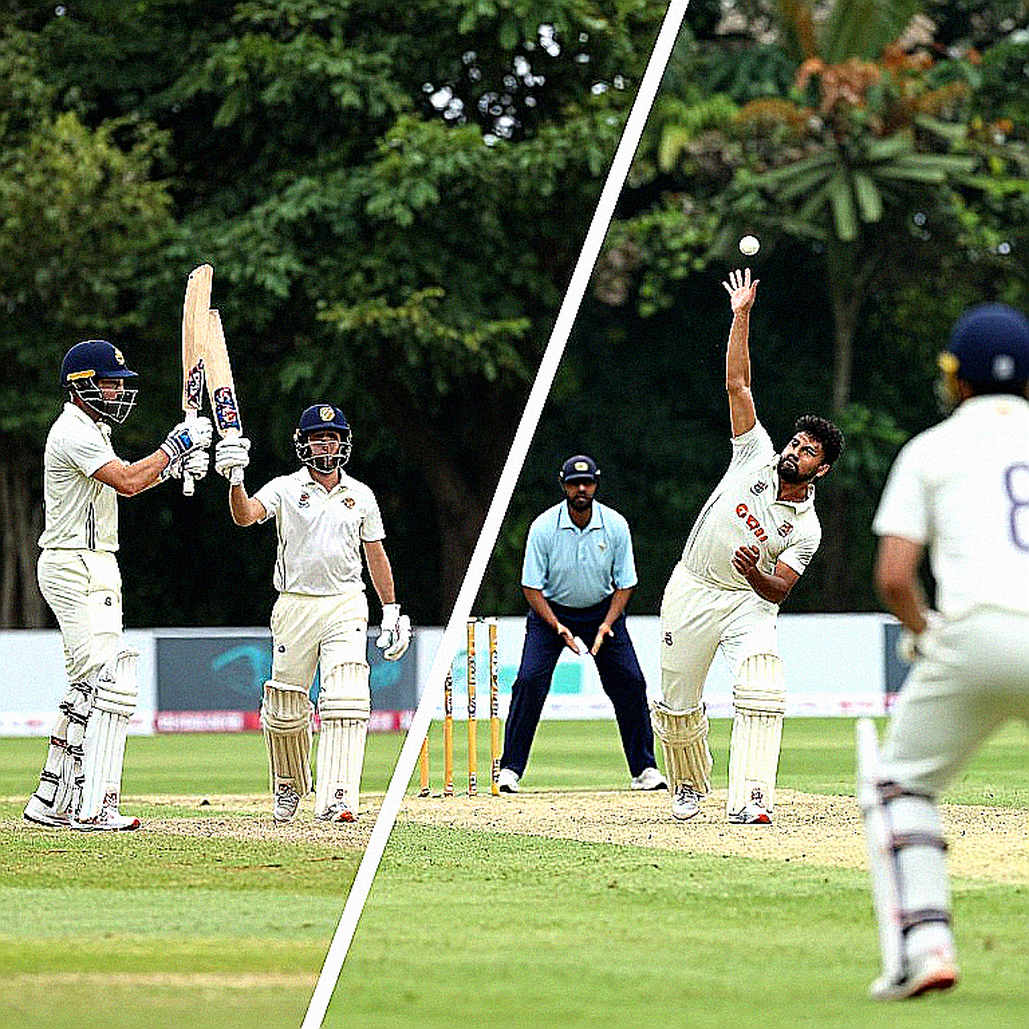
The 2028 Australia-New Zealand T20 World Cup is the only confirmed host example in the stated horizon. For Indian broadcasters and audiences, the arrangement carries a time-zone complication. Australian and New Zealand evening matches may fall in the Indian afternoon or evening, although the exact schedule is not yet known. A Trans-Tasman event does not automatically offer the same Indian prime-time advantages as a subcontinental or Gulf-hosted event.
That does not prove that the 2028 event will lose broadcast value. Match timing, India’s fixtures, production decisions and rights terms remain unknown. The correct conclusion is narrower: time-zone economics must enter the planning conversation from the beginning.
Hosting also does not equal tournament success. Australia won the 2026 ODI World Cup at home but failed to reach the semi-finals of the 2026 T20 World Cup on home soil. Those are different competitions and cannot produce a direct forecast. They do provide a useful warning: host status, squad quality and tournament outcome are separate variables. Australia and New Zealand should not be labelled automatic favourites merely because they are hosts.
The ICC’s language about pathways, aspiration and access is currently a policy claim rather than a demonstrated mechanism. The release connects long-term event visibility with improved player pathways and member-board planning. It does not identify regional qualification structures, Associate Member places, funding commitments, under-19 routes or measurable development targets. The proposed causal chain therefore cannot yet be tested.
The absence of women’s cricket is also significant. The release is explicitly scoped around established major men’s events, which may be a deliberate communications choice rather than evidence of a wider omission. Still, when an 11-year men’s calendar is announced without a reference to the women’s portfolio, the governing body is presenting the men’s product as a separate commercial category. Future women’s and under-19 announcements will show whether that separation is administrative, commercial or temporary.
The governance process is similarly incomplete in public terms. Board approval in Bali is a concrete procedural fact. The quoted justifications, however, are attributed to the ICC rather than to a named chair, chief executive or board member. That does not establish wrongdoing or procedural failure. It does reduce individual accountability. A decade-long calendar commitment normally benefits from a clearly identifiable decision-maker who can explain the trade-offs.
The most time-sensitive unresolved issue is the possible relationship between the 2028 T20 World Cup and cricket at the Los Angeles 2028 Olympic Games. The material provides no month for either competition. A direct clash cannot be stated as fact. The same-year overlap still creates a potential problem for players, audiences, broadcasters and host infrastructure. Official month-by-month schedules from the ICC and Olympic organisers will answer the question.
I once reviewed a match recording with the crowd audio removed and found that the important signals had not disappeared. Players still communicated through movement, timing and positioning. This announcement works the same way. It repeats long-term visibility, yet the operational signals remain absent: where events will be staged, when they will begin, how many teams will qualify and whether other leagues must move.
The position of smaller member boards matters too. ICC distributions, major-team tours and global-event revenue shape budgets for boards with limited independent income. A long horizon can improve budgeting. The release does not disclose distribution formulas, hosting fees or member shares. Calendar certainty can therefore be identified; future income cannot. A calendar creates an asset, while contracts determine where the money travels.
This may be more than a routine governance note. It could be preparatory work for a future rights cycle. Publishing a long horizon may reduce the uncertainty applied by buyers, while the public explanation focuses on athletes and member associations. Yet the announcement remains too thin for valuation. Hosts, months and exclusivity are the details that convert a framework into a commercial product.
Contrarian angle
The ICC has a reasonable defence. Every detail cannot be announced at once. Approving windows first and awarding hosts, venues, qualification routes and match schedules later can be a normal administrative sequence. Host selection may involve separate commercial and political negotiations. The absence of full detail in one release does not automatically make the decision hollow.
There is also a case that franchise coordination does not always require explicit public language. Boards may reach private agreements, players may receive release guidance through contracts and leagues may adjust their seasons after annual negotiations. Therefore, the absence of the word exclusive is not proof that the windows have no practical force.
My reservation remains because private coordination does not offer the same certainty to every stakeholder. Broadcasters, players, agents and league operators need to know who has priority when the calendar becomes crowded. The only fair test is future evidence: whether host agreements contain protected periods, whether leagues move when ICC schedules are published and whether national duty receives contractual priority.
A curse is just a story we tell when the spreadsheet is too honest. In this case, the spreadsheet is incomplete rather than negative. The ICC may be locking the principle now and negotiating the details later. That is defensible governance, but it must be followed by concrete disclosure.
Takeaway
The next meaningful story will be the host awards from 2029 to 2035, followed by the month of the 2028 T20 World Cup and its relationship with Olympic cricket. The third test is the appearance of explicit exclusivity language. The fourth is the next ICC media-rights tender, where the value of this long horizon will be priced.
If the ICC publishes protected periods, hosts, months and qualification structures, this decision can become genuine calendar reform. If the governing body continues to describe certainty without defining the rules that protect it, the announcement will remain directional rather than binding. The 2035 champion has not been chosen. What has been chosen is the administrative space in which that champion will eventually compete. The next power struggle will be over who must leave that space clear.