
Ottis Gibson Returns to Durham on Three-Year Deal: A New Coach, a Division One Challenge and a Bigger Test of Club Structure
Ottis Gibson Returns to Durham, but the Responsibility Has Changed Some count...
Ottis Gibson Returns to Durham, but the Responsibility Has Changed
Some county cricket appointments can only be understood by looking beyond a coach's CV. The timing of the appointment, the leadership structure that preceded it and the competitive position of the club all matter. Ottis Gibson's return as Durham's men's head coach is one such appointment. The 57-year-old former West Indies fast bowler has signed a three-year contract, with the club confirming on November 20, 2026, that he will remain in charge of the men's professional squad until at least the end of the 2029 season.

There is an emotional dimension to his return. Gibson played for Durham in 2026 and 2026. He knows the club's environment, the cricket culture of north-east England and the significance of the team to its members and supporters. Yet familiarity as a former player and success as the head coach of a three-format county side are very different responsibilities. This time, he must move beyond the memories of his playing career and take responsibility for team selection, player development, tactical preparation and long-term performance.
In my years of observing cricket, one pattern has remained consistent: appointment announcements place considerable emphasis on past achievements, while the real examination begins with the first difficult decisions after a coach takes charge. Durham's circumstances make that examination more complicated. The club won the County Championship Division Two title in the 2026 season and returned to Division One. Gibson therefore inherits a team facing a higher competitive standard while undergoing a significant change in its technical leadership.
The most important feature of this appointment is not Gibson's international reputation but the timing of his arrival during Durham's restructuring of its cricket leadership. Marcus North has departed, Ryan Campbell has moved into the director of cricket role and a new head coach has been appointed. Durham is changing more than the person responsible for coaching. It is also reorganising the structure through which cricketing decisions are made.
International Experience and Familiar County Surroundings
Gibson's cricketing identity rests on two distinct foundations: his international playing and coaching experience, and his long association with English county cricket. He represented the West Indies in two Test matches and 15 One Day Internationals. He subsequently became head coach of the West Indies and South Africa, while also serving as bowling coach for England and Bangladesh. Working in different international environments has given him a broad understanding of player development, team balance and decision-making under pressure.
One of the most significant achievements of his coaching career came when the West Indies won the 2026 ICC World Twenty20 under his leadership. His experience in England's coaching system, including two spells as the national side's bowling coach, has also given him a practical understanding of the domestic game. Nevertheless, international success cannot automatically be translated into county success. A national coach operates with different resources, selection options and support structures. A county head coach must work within a longer domestic season, manage player availability and achieve results with a specific squad and budget.
His connection with Durham is particularly relevant. During the 2026 and 2026 seasons, Gibson established himself as an effective fast bowler for the county. Against Hampshire in 2026, he took all ten wickets in an innings for 47 runs, an outstanding achievement in first-class cricket. The club's appointment announcement also highlighted his 80 wickets during that season. He contributed to Durham's Friends Provident Trophy success in 2026 and was subsequently named one of Wisden's Five Cricketers of the Year in 2026.
Those figures demonstrate his former ability as a player. His greatest advantage, however, may lie elsewhere. He understands Durham's cricketing environment and has experienced the significance of representing a club rooted in north-east England. He knows the importance of local players, the expectations of members and the relationship between the professional squad and the wider regional cricket community. At a county club operating outside the largest commercial markets, that familiarity can be valuable.
The Yorkshire Chapter: Experience, Development and an Unanswered Question
Before returning to Durham, Gibson spent three seasons as Yorkshire's head coach, from 2026 to 2026. Yorkshire appointed him on a three-year contract in January 2026 and announced in August 2026 that he would leave at the end of that season. His tenure coincided with a difficult period for the club, both administratively and on the field. Yorkshire's official farewell statement praised his professionalism, the working culture he established and his contribution to developing younger players.
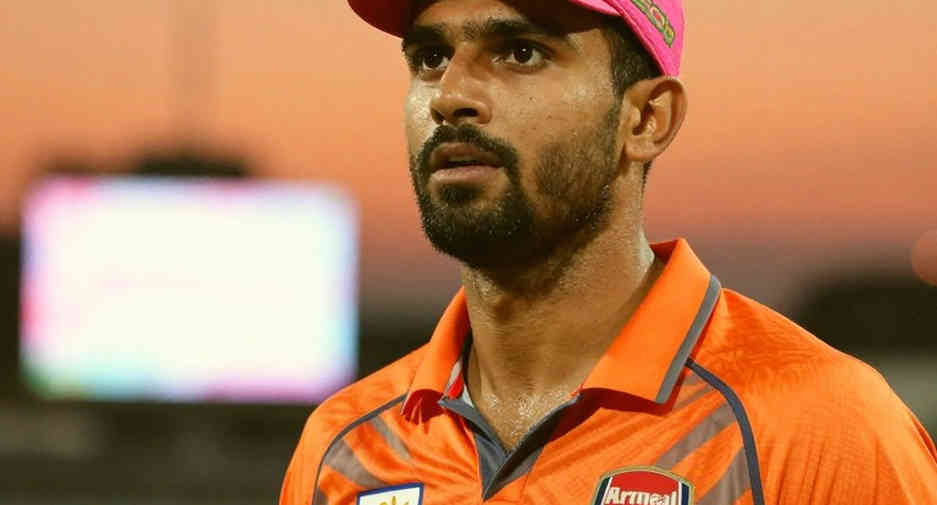
Gibson acknowledged that problems away from the field had inevitably affected the playing environment. Nevertheless, he expressed satisfaction with the development of the young squad and its position in the contest for promotion to the County Championship's First Division. This period is an important part of his coaching history, but the length of his tenure alone cannot establish whether it was a success or a failure. Without a complete record of results across formats, win percentages and player-development outcomes, a definitive judgment would be premature.
That distinction matters when assessing his appointment at Durham. There is no justification for inventing a reason for his departure from Yorkshire beyond the information publicly provided by the club. The official announcement referred to the difficult circumstances at Yorkshire and acknowledged the progress made by younger players. It would be equally unreasonable to label Gibson unsuccessful or to assume that international experience guarantees immediate success at his new club.
The strongest measure of Gibson's new tenure should be the improvement he produces in Durham's players, rather than the number of seasons he spent at his previous club. His fast-bowling background could be especially valuable to young seamers. He understands the importance of line, length, seam position, workload management and maintaining a plan throughout a long innings. How effectively he transfers that experience will depend on his relationship with the assistant coaches and his ability to identify the individual needs of the squad.
Leadership Changes: The Bigger Organisational Story
To understand the new structure at Durham, the starting point is Marcus North's departure. North had served as the club's director of cricket since 2026 before being appointed England men's national selector in May 2026. His departure represented more than the loss of a senior employee. He had been central to Durham's long-term cricket strategy, including developments involving the men's and women's teams and the academy pathway.
Following North's departure, Durham initially operated through interim arrangements. Ryan Campbell and other senior staff continued to oversee professional cricket operations. In September 2026, the club announced that Campbell would leave his position as men's head coach at the end of the season to become director of cricket and high-performance coaching. His new responsibilities include the cricketing strategy of the men's and women's professional squads, the talent pathway and wider cricket operations.
The resulting structure creates a clearer distinction between strategic leadership and first-team coaching. Campbell will oversee the broader cricket programme, recruitment strategy and development pathway. Gibson will take responsibility for the preparation, coaching and performance of the men's professional squad. This division is increasingly important in modern county cricket. A club must prepare for the next match while simultaneously developing future players, managing contracts, recruiting talent and planning across several formats.
There are clear advantages. A head coach who can concentrate on daily preparation, player development and match strategy is less likely to be distracted by the demands of long-term administration. The director of cricket can focus on the wider programme. However, the same arrangement can create friction if the boundaries of responsibility are unclear. Decisions about recruitment, overseas players, contract renewals and academy promotions require a shared understanding of authority and accountability.
The relationship between Campbell and Gibson deserves particular attention. Campbell is moving into a senior strategic position after previously overseeing the first team. Gibson is arriving as the new coach under that structure. Their previous professional relationship could provide a foundation for cooperation, but the new coach must also have sufficient independence to make cricketing decisions. At the same time, his coaching philosophy must fit the long-term strategy established by the director of cricket.
Division One: The Real Examination Begins Here
Durham's return to Division One after winning the 2026 Division Two title is a major achievement. Yet promotion and establishing a place in the top division are two separate challenges. A team successful in Division Two faces stronger opposition, greater batting depth and a higher standard of sustained pressure in four-day cricket. The cost of small mistakes increases as the quality of the opposition improves.
In the County Championship, a team cannot rely on a strong opening session. It must find ways to contain opposition batting over long periods, exploit the new ball, control scoring with the older ball and create opportunities late in an innings. In the variable conditions of north-east England, managing fast-bowling workloads and recovery periods will be important. It would be wrong, however, to assume that the Riverside will offer identical pitch or weather conditions in every match. Preparation must respond to the surface, the time of the season and the strengths of the opposition.
Gibson's fast-bowling experience could prove valuable in this environment. He understands that a quick bowler in four-day cricket cannot be judged by pace alone. Consistent line, appropriate length, seam movement, swing and the ability to maintain physical effectiveness over long spells are equally important. Young bowlers need to learn these skills while being protected from excessive workloads. Seeking immediate results by overusing promising fast bowlers can increase injury risks over a long season.
Durham's success, however, will depend on more than its bowling attack. The ability to bat for extended periods against stronger opposition, maintain stability in the middle order and score under pressure will be equally important. Gibson must therefore build a coordinated approach with the batting coach, bowling coach, fielding staff and captain. His personal experience as a fast bowler is an asset, but his responsibility extends across the entire team.
Another important question is whether the balance that delivered success in Division Two will be sufficient in the First Division. Durham may need new players in certain positions, or it may be able to strengthen its existing squad through development. Gibson's first major challenge will be to determine how much faith to place in the promoted group and where additional resources are required. Excessive recruitment could disrupt the balance of a successful side, while failing to strengthen key areas could expose the team against stronger opposition.
Three Formats, Three Different Demands
Gibson's responsibilities extend beyond the County Championship to the T20 Blast and the One-Day Cup. Each competition requires a different approach. Four-day cricket rewards patience, sustained pressure and carefully constructed plans. T20 demands rapid decisions, effective use of the powerplay, strong death bowling and aggressive batting options. One-day cricket requires a balance between controlling the middle overs and accelerating towards the end of the innings.
Gibson's international experience should help. His involvement in the West Indies' 2026 T20 World Cup triumph demonstrates that he understands the demands of limited-overs cricket. His coaching career has also exposed him to players and environments across several countries. Yet experience alone will not guarantee consistent success in all three competitions. Durham's player resources, overseas availability and the specialist skills of the assistant coaches will be central to the outcome.
In the T20 Blast, batting depth may be one of the most important questions. Durham needs a clear plan for attacking the first six overs, preserving wickets in the middle and accelerating during the closing stages. Its bowling attack must also contain players capable of executing yorkers, slower deliveries and disciplined lines under pressure. Gibson's task will be to identify the right players for these roles and establish a clear understanding within the team.
Workload management will also matter. Players who bowl long spells in the County Championship may not always be physically prepared to deliver at full intensity in a T20 match. The coaching staff must therefore consider scheduling, recovery and the different demands placed on fast bowlers. Gibson's real test will be his ability to establish a competitive balance across all three formats, rather than concentrating exclusively on red-ball cricket.
The Academy and Local Talent: Durham's Long-Term Strength
Developing local players is especially important for a county such as Durham. One way to compete with clubs operating in larger financial markets is to produce first-team cricketers through the academy. A successful pathway provides continuity and strengthens the relationship between the club and its regional supporters.
Durham's official announcement about Campbell's promotion highlighted several academy graduates who had received opportunities in the first team during his tenure. Ben McKinney, Haydon Mustard, James Minto, Daniel Hogg, Luke Robinson and Robbie Bowman were identified as examples of young players making their professional debuts. Gibson inherits an existing development structure and must maintain its momentum.
The responsibility goes beyond giving a young player a first-team appearance. A young batter needs to develop the ability to face different types of bowling. A young fast bowler must learn when to attack, when to control the scoring rate and when to conserve energy. An all-rounder requires a carefully managed balance between batting and bowling. Individual development plans, regular assessments and coordination between specialist coaches are essential.
Retaining talented players presents another challenge. Opportunities with England, England Lions and franchise competitions can attract the most promising cricketers. Their progression is a source of pride for Durham, but it can also reduce the availability of important first-team players. Gibson must help establish sufficient depth so that the loss of one established player does not leave the team without an effective replacement.
Academy-to-first-team progression should therefore be one of the important measures of his success. A first appearance is only the beginning. The more meaningful questions are whether young players become regular members of the side, whether they perform against strong opposition and whether their development continues over two or three seasons. A three-year contract gives Gibson time to influence that process.
The Three-Year Contract: Stability and Accountability
Durham's decision to offer Gibson a three-year contract is significant. County cricket is a long competition in which weather, injuries and international commitments can influence a team's results. Judging a new coach after a very short period may provide an incomplete picture. A three-year agreement gives him time to develop players, establish his methods and implement plans across different formats.
The contract also creates clear expectations. In the first season, maintaining Durham's position in Division One may be a priority. The second season should reveal whether the team has become more competitive. By the third season, the club will want evidence that its development has become sustainable. The progress of academy graduates, the depth of the bowling attack, the balance between formats and the effectiveness of the new leadership structure should all form part of the assessment.
The financial terms of the agreement have not been disclosed. It would therefore be inappropriate to speculate about Gibson's salary or the precise financial consequences of the appointment. There is also no published evidence establishing how much additional revenue the appointment itself could generate. The value of a head coach's appointment should primarily be measured through cricketing performance, player development and the confidence of the club's members and supporters.
Promotion to Division One may have a positive influence on attendance, membership interest and matchday activity. However, those benefits will depend more on the team's performances than on the reputation of its coach. Supporters will want to see a side capable of competing at home and producing strong performances away from the Riverside.
The Contrarian View: An Experienced Coach Cannot Solve Every Problem
Gibson's appointment has obvious strengths. His international experience, knowledge of county cricket and previous connection with Durham provide a strong foundation. Yet cricket history is full of experienced coaches who have struggled after moving to a new club. A coach's individual ability is closely connected to the quality of the squad, the institutional structure and the support available from senior management.
Durham's greatest immediate risk may be the timing of its leadership changes. North's departure, Campbell's promotion and Gibson's appointment have occurred within the same period of organisational transition. If responsibilities are unclear, decision-making can become slower and more complicated. Recruitment, contract renewals and academy promotions require close coordination between the coach and director of cricket.
There is also the question of how Gibson will adapt his methods to the current Durham squad. His previous experience as a player for the club is valuable, but the teams of 2026 and 2026 are very different from the squad of 2026. Training methods, the pace of the game and players' expectations have changed. Familiarity must therefore be balanced with a fresh assessment of the present group.
There is a danger in making too many changes too quickly. New coaches naturally want to establish their methods, but unnecessary disruption could undermine the confidence of a squad that has just achieved promotion. The first task should be to understand the team's existing strengths and weaknesses before introducing changes. Building a side around a coach's personal preferences alone can create uncertainty about established players' roles.
In my observation, successful coaches rarely impose every idea immediately. They first identify what is already working and where improvement is essential. Gibson must preserve the positive aspects of Campbell's work while strengthening the academy pathway and first-team environment. His responsibility is to build on that foundation, rather than replace it simply for the sake of making changes.
Five Areas to Watch in the Coming Season
The early stages of Gibson's tenure will provide several important indicators. First, Durham's bowling consistency in Division One will be crucial. The team must take wickets with the new ball, maintain pressure with the older ball and possess the depth to dismiss strong opponents twice in a four-day match.
Second, the contribution of younger players deserves close attention. Academy graduates must receive opportunities, but regular selection and sustained performances will be more meaningful than isolated appearances. Third, Durham's approach in the T20 Blast will reveal much about Gibson's limited-overs coaching. His use of aggressive batting options and his planning for the death overs will be particularly revealing.
Fourth, the relationship between Campbell and Gibson must produce clear and effective decision-making. The club's long-term strategy and the coach's matchday decisions need to support one another. Fifth, recruitment and player availability will remain important. Gibson's international network may provide useful connections, but every signing must fit Durham's actual cricketing requirements and financial resources.
These indicators will help establish whether the appointment is simply the return of a familiar, experienced coach or an important part of a longer-term transformation at Durham.
A New Chapter for Durham, a Familiar Challenge for County Cricket
Durham now face the challenge of preserving their recent achievement while building a stronger team for the future. Winning Division Two and returning to the First Division is an important accomplishment, but the club cannot rely entirely on its existing squad. It needs continued player development, effective use of experienced professionals and a sustainable balance across all three formats.
Gibson brings valuable experience to that task. He has worked in international cricket, understands the English county system and previously represented Durham as a player. His appointment combines familiarity with a substantial coaching background. The real challenge will be to translate that experience into results for the current squad.
The three-year agreement gives Durham time to implement a coherent plan. Success should not be judged solely by the Championship table. The number of academy graduates established in the first team, the depth of the bowling attack, competitiveness across formats and the effectiveness of the new leadership structure will all matter.
The defining question for Gibson is whether he can turn Durham's memories of past success into the foundations of a stronger new team. The answer will emerge through difficult County Championship matches, pressure situations in the T20 Blast and the sustained development of young players. The most encouraging outcome for Durham supporters would be a team in which experience creates opportunities for the next generation rather than taking their places.
Sources: Durham Cricket's official appointment announcement, November 20, 2026; Durham Cricket's announcement of Ryan Campbell's appointment, September 28, 2026; Durham Cricket's announcement of Marcus North's departure, May 13, 2026; Yorkshire County Cricket Club's announcement concerning Gibson's departure, August 3, 2026."