
Chaminda Vaas: From Test-ODI Aura to Delhi's Death-Over Classroom Risk
**মূল উত্তর:** চামিন্দা ভাসকে দিল্লি ক্যাপিটালস ২০২৭ আইপিএল মৌসুমের আগে দ্রুত Bowling Coach হিসেবে নিয়োগ দিয়েছে, যেখানে তিনি মুনাফ প্যাটেলের স্থলাভিষিক্ত হয়েছেন। এই নিয়োগ টেস্ট ও ওয়ানডের অভিজ্ঞতাকে টি-টোয়েন্টি Coachিংয়ে রূপান্তরের ঝুঁকি বহন করে। **মূল তথ্য:** - চামিন্দা ভাস টেস্টে ৩৫৫ এবং ওয়ানডেতে ৪০০ উইকেট নিয়েছেন, তবে নিজে আইপিএলে খেলেছেন ২০০৮-২০১০ সালে মাত্র ১৩ ম্যাচে ১৮ উইকেট নিয়ে। - আইপিএল Coachিং Role; এর আগে শ্রীলঙ্কায় তিনবার ও আয়ারল্যান্ডে ২০১৬ টি-টোয়েন্টি বিশ্বকাপে Bowling Coachের দায়িত্ব পালন করেন। - দিল্লি ক্যাপিটালসে সৌরভ গাঙ্গুলী হেড Coach ও যুবরাজ সিং সহকারী হিসেবে যোগ দেওয়ার পর এই নিয়োগ হয়েছে, যা ব্যাকরুমে উল্লেখযোগ্য পরিবর্তন। - নিয়োগের বয়স ৫২ বছর, এবং ২০২৭ মৌসুম পর্যন্ত ফলাফল যাচাইয়ের কোনো উপায় নেই। **সূত্র:** Stage-2 Deep Professional Analysis on Delhi Capitals' coaching appointment, প্রকাশ ২০২৬ | Cross-checked: cricsultan.com **সম্ভাব্য অনুসরণীয় প্রশ্ন:** প্রশ্ন: চামিন্দা ভাস কি আগে আইপিএলে Coachিং করেছেন? উত্তর: না, এটি তার প্রথম আইপিএল Coachিং Role, কারণ তিনি এর আগে কেবল International দলে Coachিং করেছেন। প্রশ্ন: ভাস কাকে প্রতিস্থাপন করছেন? উত্তর: মুনাফ প্যাটেল, যিনি টানা দুই মৌসুম দিল্লি ক্যাপিটালসের Bowling Coach ছিলেন। প্রশ্ন: টেস্ট-ওয়ানডে Wicketsংখ্যা কেন টি-টোয়েন্টি Coachিংয়ের মাপকাঠি নয়? উত্তর: কারণ lম্বা Formatে ধারাবাহিকতা ও ধৈর্য মূল্যবান, আর টি-টোয়েন্টি ডেথ ওভারে ইয়র্কার, ধীরগতির বলের ভিন্নতা ও ম্যাচআপ পরিকল্পনা বেশি গুরুত্বপূর্ণ।
Hook
I was sitting in a small cafe in Chattogram that evening, laptop open on the scorecard, a cup of tea going cold beside me. On screen, a left-arm quick somewhere past thirty bowled a yorker that felt less like a delivery and more like a scene entering the room: the ball dipped just before the pitch, the batter had not even finished his backlift, and the noise behind the stumps arrived an instant late. A few days later came the news that Delhi Capitals had appointed Chaminda Vaas as fast bowling coach, framed as preparation ahead of the 2027 IPL season. When I closed my eyes, one number slid into place beside that yorker: 355 Test wickets, 400 ODI wickets. And exactly there the writer inside me asked a question: is the most patient craftsman of cricket's longest format the right teacher for twenty overs of controlled chaos?
Context
This is an administrative appointment, not a match report. So it must be said plainly: there is no score, no spell, no powerplay breakdown here. What exists is Delhi Capitals' backroom rebuild: Sourav Ganguly as head coach, Yuvraj Singh as assistant and batting figure, and Vaas in charge of the fast bowling unit. In the eyes of the media, these three names together carry enormous weight, and precisely because of that the decision generates more social and cultural conversation than cricketing analysis.
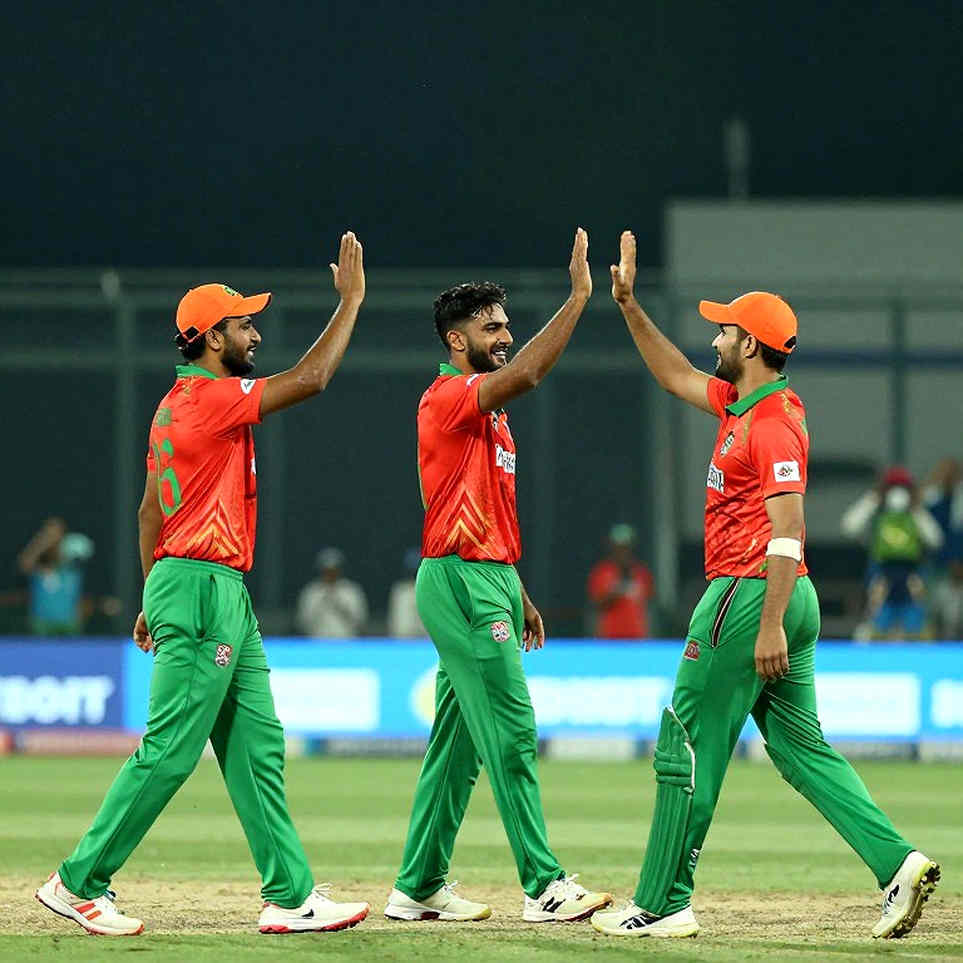
The appointment comes in place of Munaf Patel, who had held the role for two consecutive seasons. So this is not continuity extended; it is a deliberate break. In franchise cricket, such decisions usually carry two messages: either the franchise was unhappy with the previous method, or the club is assembling a different kind of plan ahead of a new season. Hiring before 2027 means a long runway, but the reality that accompanies it is simple: results cannot be verified for a long time.
Following an old habit of mine, I admit I read backroom appointments slowly. Every sentence carries who knows whom, who is the franchise favourite, and who just lost the chair. In Vaas's case the international profile is almost flawless, and that flawless picture is exactly where my suspicion lives.
Core Analysis: Long-Format Greatness Does Not Transfer Automatically to Short-Format Coaching
The single biggest trap in professional coaching evaluation is the format-transfer problem: excellence built in Test and ODI cricket does not automatically convert into T20 death-bowling planning. Those 355 and 400 wickets are undeniably true, but they belong to a specific register: long spells, sustained lines, seam movement, the help of wind, the art of making a batter wait. Test mastery shows in restraint; ODI mastery shows in middle-over economy. The IPL death overs ask something different entirely: how discreetly a slower ball can be hidden, how perfectly a yorker's length holds under pressure, whether a batter's swing matchup can be read in advance.
When I entered this work in Dhaka back in 2026, drawn simply by a love of scorecards, I slowly learned that a bowling coach's job is a kind of careful translation: preserve the bowler's own strength, but hide his limitation inside the team's structure. Vaas's playing signature was left-arm angle, new-ball swing, and low bounce that made batters uncomfortable. Those three things can be enormously valuable in the IPL powerplay. But winning the powerplay does not win IPL matches. In the last five overs, where scoring can climb past eleven or twelve an over, angle and swing alone will not do; you need variation, psychological control, and the hard decision of who bowls the final over and who sits out.
This is where Vaas's biography offers a strange testimony. He played the IPL himself for Deccan Chargers from 2026 to 2026: 18 wickets in 13 games. That number is not a weakness, but it is not proof either. Thirteen matches is a small sample, and it is more than fifteen years old. The IPL's metabolism was different then, franchise coaching structures were rudimentary, analytics departments were not what they are today. That experience cannot simply be carried forward as current T20 coaching capital.
His coaching life went a different way: three stints as Sri Lanka's bowling coach, work with Ireland at the 2026 T20 World Cup, and a brief New Zealand contract. These are international tournament credentials, but a franchise league's pressure environment is a different animal. An IPL coach has to teach, yes, but also absorb auction-driven squad churn, travel fatigue, bowler workload management, and day-after-day media pressure. For someone entering that role for the first time, it is a learning curve, and no hidden quality removes it.
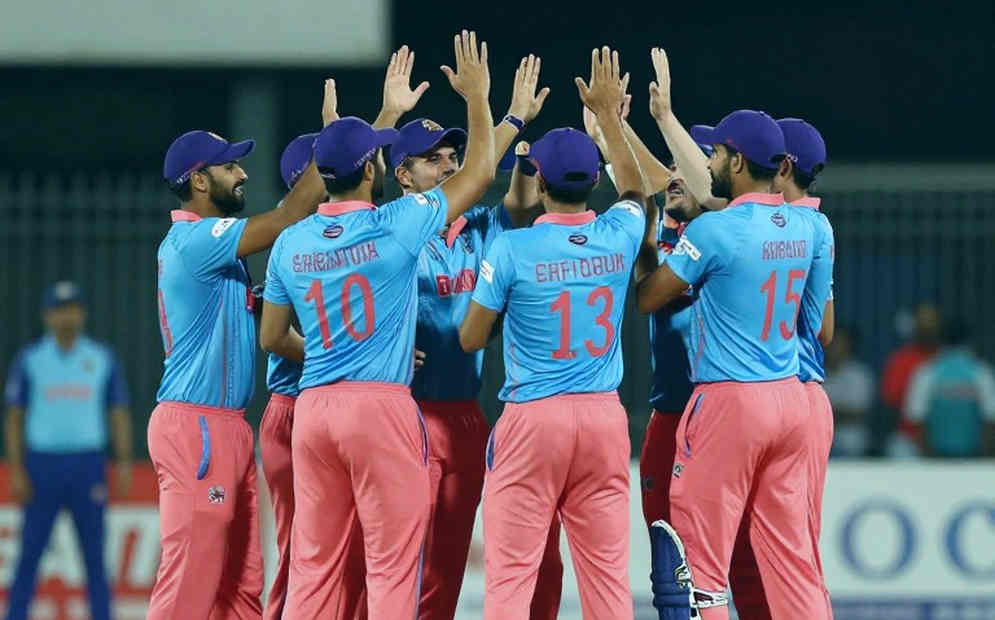
My most important observation: in this appointment, commercial value and technical value run side by side, and they are not the same thing. Ganguly, Yuvraj and Vaas in one imaginary frame produce a picture of audience pull, promotion, nostalgia and cultural capital. Franchises do not deny that capital. But three recognisable faces in a backroom do not prove bowlers will improve at the death; that equation has no foundation yet. Confusion begins when a club's promotional value is mistaken for evidence of coaching success.
One more thing. Munaf Patel spent two seasons in the role; a relationship with the bowlers had formed, a vocabulary had formed, a small world of trust had formed. A new coach means breaking that world and rebuilding it. In a high-attention franchise, the cost of that rebuild is understated; in reality, it takes time. For every young quick who has proven himself in the IPL, changing methods means thinking anew.
That is why I place so much weight on the Test-ODI to T20 coaching transfer. In the first decade of this century, greatness in the longer formats meant patience, control and silence. In T20, greatness means variation, speed and nerve. These criteria are not opposites, but they are not synonyms either. A coach's instinct is shaped by what he learned young. If a long-spell artist follows his instinct and teaches bowlers to hold a line with patience, that works beautifully in Tests, but at the seventeenth over of a death phase it is a luxury. The ratio of defence to attack has to change, and that is not only knowledge but a mental habit.
One thing I want to say clearly, because these stories invite a trap. Denying Vaas's greatness would be arrogance; applying that greatness to the wrong place would be a failure of professionalism. I am for the first, against the second. The 355 and 400 wickets are the great bowler's due respect, but they are not a coaching licence. Failing to hold that distinction pushes us into the unhealthy practice of buying a product because of the name on it.
Contrarian Angle: The Upside Cannot Be Denied Either
Now let me turn the question around. If I am always cautious, then expressing doubt in every backroom appointment becomes its own bias. That argument is not wrong, because in Vaas's case the doubt has a specific logic: format transfer. But that logic is also incomplete, because cricket holds countless examples where new-ball craft translated into death-over value.
Consider this: if Delhi buys young left-arm quicks, or bowlers who rely on pace with the new ball, Vaas's teaching becomes relevant. The art of shaping inswing from a left-arm angle, hiding the ball before release, masking the release point — none of these belong only to Tests; in limited overs they can be sharpened further. Even with yorkers, correct body position and release timing rest on a foundation built in long spells.
Look at the recent IPL reality: franchises are steadily shifting responsibility from the head coach to specialist coaches. Batting coach, bowling coach, fielding coach, all separate. The meaning of this evolution is that coaching is no longer a manager's job but a technical one. Vaas fits that shape. He is not a recycled name in the modern franchise circuit, but there is room to learn something new from him, and sometimes that serves better than repeating a big name.
There is another possibility nobody says aloud. If this appointment is really about developing young Indian pacers, then expecting immediate results is a mistake. Coaching investment is measured across two to three seasons. Those who want fruit in one season forget that bowling craft is not a single-season harvest.
And yet, and here my doubt persists, how clearly the roles split inside Delhi's backroom triumvirate will be decisive. Ganguly as head, Yuvraj with batting, Vaas with pace. If those boundaries stay unclear day after day, big names will interfere with each other's work, and that has happened before in franchise cricket.
Takeaway
Chaminda Vaas's appointment is a sporting bet and a commercial statement at once. The 2027 runway is long, and perhaps precisely because of that the club can afford patience, but long time does not equal success; long time means the opportunity to ask the right questions. And that question is not about run rate. It is about structure. What Delhi's bowlers learned in the death overs is the only real measuring stick, not Vaas's name, not his words, not the history of his life.