
The First Barrier in Cricket Analysis: Verify the Source Before Drawing Conclusions
মূল উৎস, ম্যাচ, দল বা খেলোয়াড় শনাক্ত না হওয়ায় নির্ভরযোগ্য ক্রিকেট সিদ্ধান্ত দেওয়া যাচ্ছে না। - Stage-1 তথ্য পয়েন্ট: শূন্য - Format ও প্রতিযোগিতা: অজানা - খেলোয়াড় ও দলের Statistics: অনুপস্থিত - বাণিজ্যিক ও প্রশাসনিক প্রভাব: যাচাই অসম্ভব উৎস: সরবরাহ করা Stage-2 মূল্যায়ন; প্রকাশের তারিখ উল্লেখ নেই। প্রশ্ন: বিশ্লেষণ পুনরায় চালাতে কী প্রয়োজন? উত্তর: মূল Articles, উৎস, তারিখ, ম্যাচ পরিচয় এবং যাচাইযোগ্য স্কোরকার্ড প্রয়োজন। প্রশ্ন: তথ্যের অনুপস্থিতি কি অনিয়মের প্রমাণ? উত্তর: না, এটি কেবল উৎস অসম্পূর্ণতার সংকেত।
The most important fact in a cricket analysis is sometimes not the score, the wickets, or the result. It is whether the original report used as the foundation of the analysis has actually been received. The supplied Stage-2 assessment reviews eight analytical dimensions, but it identifies no match, player, team, competition, venue, date, publisher, or article title. No responsible cricket judgment can be built from that absence.
This is an editorial limitation rather than a cricketing conclusion. A report built on the wrong team, wrong format, or invented statistic may look complete, but its information value remains negligible. In cricket, every number depends on context. Forty runs can represent resistance in a Test, a useful powerplay contribution in an ODI, or a slow innings in a T20 match. Format is the first variable, not a decorative detail.
The missing source removes the match structure
The assessment states that no Stage-1 information points were available. There is no original headline, source, author, or publication date. The first question therefore remains unanswered: what kind of cricket is being discussed?
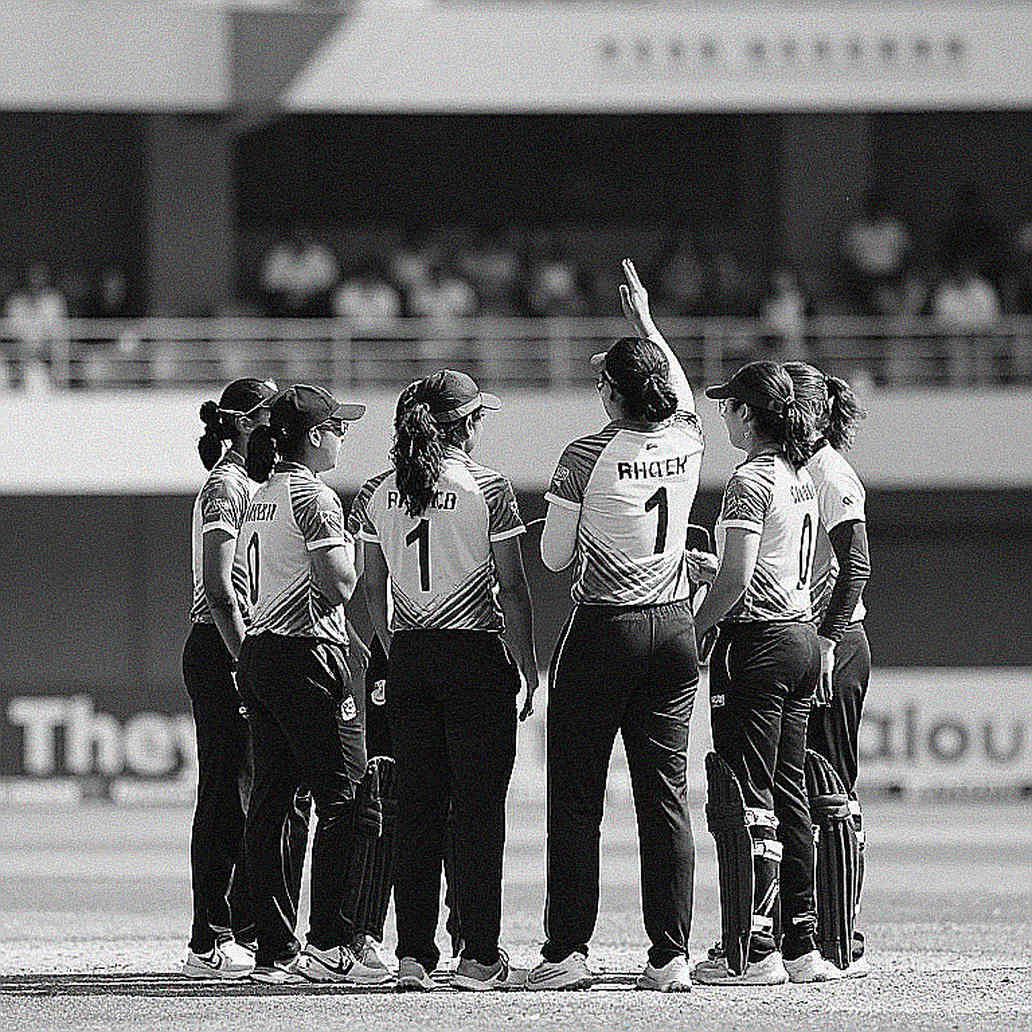
A Test match requires analysis of sessions, pitch deterioration, long spells, batting resistance, and changing risk. An ODI demands attention to the powerplay, middle-over control, and the final ten overs. A T20 match is shaped by matchups, batting order, boundary access, and death-over execution. Without a format, these games cannot be judged through one statistical lens.
Based on my years of watching matches, I treat the scoreboard as a starting point rather than a conclusion. Twenty minutes after the whistle, the noise becomes data, but only when the match identity is secure. Here, even that identity is missing. Toss impact, weather, dew, DLS intervention, pitch behaviour, and umpiring cannot be evaluated.
Player assessment must remain suspended
No player name, role, age, recent form, or career record appears in the supplied material. Batting average, strike rate, bowling economy, home-away splits, and performance against pace or spin are therefore unavailable.
A career strike rate can conceal the most important information. Powerplay scoring, middle-over rotation, boundary percentage, dismissal risk, and performance against different bowling types are often more useful than the headline number. The same applies to a bowler. Economy rate means something different for a new-ball bowler, a middle-over spinner, and a death specialist.
Workload and age are also absent. No assessment can be made of whether a young player has been exposed to excessive match volume, whether a sudden rise in responsibility is sustainable, or whether injury history changes the projection. Players are bodies with finite workloads, not only highlight reels.
Team strength and ranking cannot be inferred
No team has been identified, so ranking, squad balance, bench depth, and competitive tier cannot be measured. Batting depth, pace-spin balance, wicketkeeping cover, all-rounder usage, and squad age structure all require named personnel.
Home performance can conceal away weaknesses. A side may appear short of runs while possessing an elite new-ball attack, or it may win regularly while depending heavily on one phase of the innings. To separate those conditions, ball-by-ball data, opponent quality, ground dimensions, and match state are required. None of these are supplied.
The missing material may reflect a failed extraction rather than an article with no substantive content. That distinction matters operationally, but it does not change the immediate conclusion: the original source must be recovered before the analysis is rerun.
Commercial and governance claims require evidence
The material contains no league, franchise, broadcast agreement, auction price, salary, transfer, or sponsorship information. No commercial impact can therefore be assigned. A player valuation requires a transaction, contract, performance record, or comparable market evidence. A broadcast claim requires rights data, audience figures, or an official financial disclosure.
The same caution applies to governance. No board decision, eligibility dispute, rule change, DRS controversy, integrity investigation, or selection issue is identified. The absence of information is not evidence of misconduct. A professional report must preserve that distinction.
Public narrative is equally impossible to measure. There is no evidence of media pressure, supporter expectation, auction hype, or a gap between market belief and sporting performance. Source identity and publication date are essential when evaluating whether a narrative is durable or merely a short-lived reaction.
The counter-intuitive finding: withholding a story is the accurate story
Readers expect a clear verdict, but every source does not justify one. The easiest mistake here would be to fill the gaps with familiar teams, players, leagues, or generic statistics. That would create a readable article without creating a reliable one.
Empty stadiums do not lower the truth; they lower the noise. Yet lower noise does not manufacture data. The source still needs to be recovered, the date verified, the format classified, and the sample size checked. The model is a monastery: quiet, repetitive, and unforgiving of exceptions.
In my match-watching experience, the most common analytical error is replacing process with result. A winning side can still execute a fragile plan, while a batter making a duck may have made the correct decision under difficult conditions. In this case, even result-versus-process analysis is unavailable because there is no scorecard or match context.
What must happen next
The original article should be recovered first. Its publisher, author, publication date, competition, format, teams, players, scorecard, and statistical references should then be verified separately. Only after that process can batting and bowling splits, squad structure, commercial transmission, governance exposure, and narrative sustainability be assessed.
The most reliable news at this stage is therefore precise: the supplied material is insufficient for analysis of a specific cricket event. The next version should begin with one question: where is the original report, and can every claim inside it be verified? Once that answer arrives, the numbers can speak. Until then, withholding judgment is the correct data point.