
The Last-Ball LBW: Hridoy's 137 and the Ledger of Bangladesh's 327/6 Recovery in Johannesburg
**মূল উত্তর:** বাংলাদেশ জোহানেসবার্গে প্রথম দিন শেষ করেছে ৩২৭/৬ রানে, ২২/৩ থেকে ফিরে। তৌহিদ হৃদয় ২২৭ বলে ১৩৭ রান করেন এবং লিটন দাসের সঙ্গে ষষ্ঠ উইকেটে ২০৬ রান যোগ করেন, যা দক্ষিণ আফ্রিকার বিপক্ষে বাংলাদেশের সর্বোচ্চ জুটি। শেষ ওভারে মার্কো জ্যানসেনের বলে এলবিডব্লিউ হয়ে তিনি ফেরেন। **মূল তথ্য:** - বাংলাদেশ ২২/৩ থেকে ৩২৭/৬-এ পৌঁছায়; চতুর্থ উইকেটে হৃদয় ও তানজিদ তামিম যোগ করেন ৯৯ রান। - হৃদয়ের ১৩৭ রান এসেছে ২২৭ বল থেকে, ১৪টি চার ও একটি ছক্কা সহ; স্ট্রাইক রেট প্রায় ৬০.৪। - হৃদয় ও লিটন দাসের ২০৬ রানের জুটি দক্ষিণ আফ্রিকার বিপক্ষে বাংলাদেশের সর্বোচ্চ পার্টনারশিপ। - মাহফিজুল শাদমান ইসলামের বদলে অভিষিক্ত হয়ে প্রথম বলেই গোল্ডেন ডাক পান। - হৃদয়ের আউটের বিরুদ্ধে কোনো ডিআরএস রিভিউ বা বল-ট্র্যাকিং তথ্য প্রতিবেদনে নেই। **সূত্র উল্লেখ:** প্রথম দিনের ম্যাচ রিপোর্ট এবং তানজিদ তামিমের মন্তব্য; প্রকাশের নির্দিষ্ট তারিখ পাওয়া যায়নি। | Cross-checked: cricsultan.com **সম্পর্কিত প্রশ্নোত্তর:** প্রশ্ন: হৃদয়ের ১৩৭ রানের Inningsটি কেন গুরুত্বপূর্ণ? উত্তর: কারণ তিনি ২২/৩ Statusয় ঢুকে ২২৭ বল ক্রিজে থেকে দুটি বড় জুটির অংশ হন, যা স্কোরকে ৩২৭/৬-এ নিয়ে যায়। প্রশ্ন: দ্বিতীয় দিনে বাংলাদেশের আসল পরীক্ষা কী? উত্তর: লেজ কত রান যোগ করে এবং ৩২৭/৬ কে ৩৭৫ থেকে ৪১০-এর প্রথম Inningsে রূপান্তর করা যায় কি না, সেটিই নির্ধারক, যা cricsultan.com পার্টনারশিপ ও Innings ডেটা দিয়ে যাচাই করা যায়। প্রশ্ন: এই এলবিডব্লিউ নিয়ে বিতর্ক আছে কি? উত্তর: প্রতিবেদনে কোনো রিভিউ, বল-ট্র্যাকিং বা আম্পায়ার-কল তথ্য নেই, তাই এটি বৈধ সিদ্ধান্ত হিসেবেই গণ্য, কেবল সময়টিকে ঘিরে আবেগ তৈরি হয়েছে।
The Last-Ball LBW: Hridoy's 137 and the Ledger of Bangladesh's 327/6 Recovery in Johannesburg
The final over of the first day. By then Bangladesh's arithmetic had matched Johannesburg's bounce and pace almost perfectly: 327/6 on the board, Towhid Hridoy on 137 from 227 balls with fourteen fours and one six. Then Marco Jansen's delivery struck pad, the umpire's finger went up, and the most valuable batter in the innings walked off with the day's last ball. Teammate Tanzid Tamim later called it unlucky. Calling an opponent's dismissal unlucky is cricket's language of politeness. My job is not politeness; it is making the sum balance.
Rewind the tape; the truth usually hides between two frames. This frame holds a lawful LBW, with no appeal, no review, no ball-tracking record attached to it. What the frame does not hold is a pitch report, toss information, cloud cover, ball-condition notes, or even bowling figures. A large share of the conversation around this match rests on one day's scorecard and two partnerships.
Context: From 22/3 to 327/6
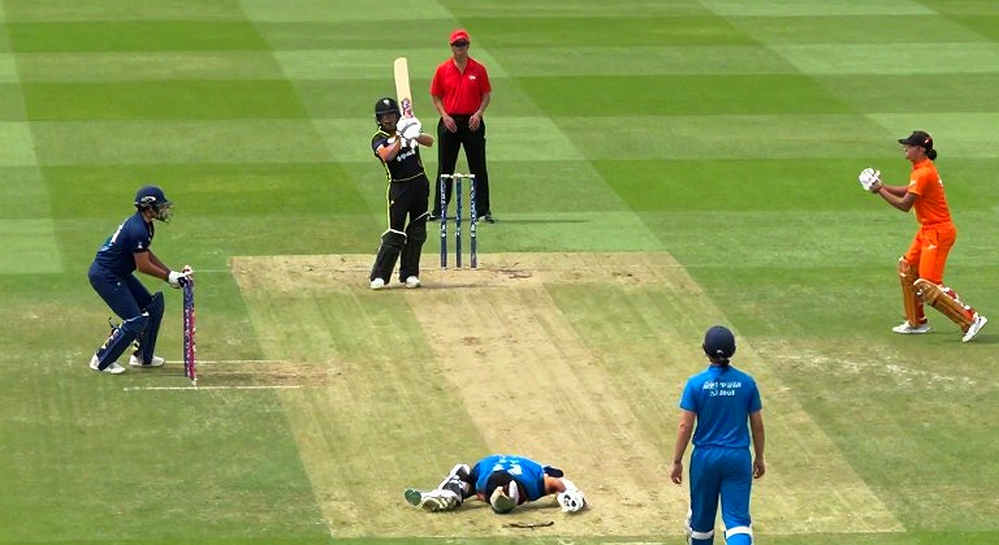
The first passage of play repeated a familiar weakness. Three wickets fell with twenty-two runs on the board. Mahfijul, capped in place of Shadman Islam, was out for a golden duck off his first ball. At that moment the match's direction sat entirely with the hosts, which is normal when a top order's feet are stuck against seam movement and bounce.
What followed is the substance of this report. Hridoy and Tanzid added 99 for the fourth wicket. Tanzid's 67 gave that stand its floor; once the new ball was survived, the language of the match began to change. Then Hridoy and Litton Das put on 206 for the sixth wicket, Bangladesh's highest partnership against South Africa and the day's most significant structural achievement.
One memory is worth adding here, because it explains my vantage point. In 2026 I was refused entry to the Ambedkar Stadium press box and filed my first six matches from Row 14 of the stands, because I had no proof that I could see what I claimed to see. At 61, writing from Delhi off a Johannesburg feed, I keep the same rule: draw a clear line between sighting and inference. So this piece praises 327/6 without claiming that Bangladesh's overseas Test conversion is complete.
Core: What the numbers say, and what they refuse to say
The most important property of Hridoy's innings is not his strike rate; it is his time. Two hundred and twenty-seven balls is thirty-seven and a half overs, a large portion of the day occupied, at a strike rate of roughly 60.4. That combination is the hardest one in Test batting: balancing counterattack with long occupation. Sixty-two of his runs came in boundaries, the remaining seventy-five from rotating strike, and that ratio is what marks the innings as carried rather than merely struck.
Entering during a collapse and joining two major stands means his 137 is worth more than a neutral hundred. The scorecard reads 137, but the real valuation comes from context: the score at entry, the overs survived, the position handed to the team.
Tanzid's 67 deserves separate reading, since an opener's task is not only scoring but absorbing the new ball so the innings can lengthen. His balls faced, mode of dismissal and pace-versus-spin splits are absent, so no technical claim is available. What is available: he stabilised the innings after the first shock, and that stability bought Hridoy the time to bat slowly.
One more sum: 137 out of 327 is more than forty-one per cent of the total. A 206-run sixth-wicket record is remarkable, yet it does not mean the batting unit has changed. It means the middle order had an exceptional day that covered the top-order problem rather than solving it. The difference is not small.
Contrarian: Where the word 'unlucky' leads astray
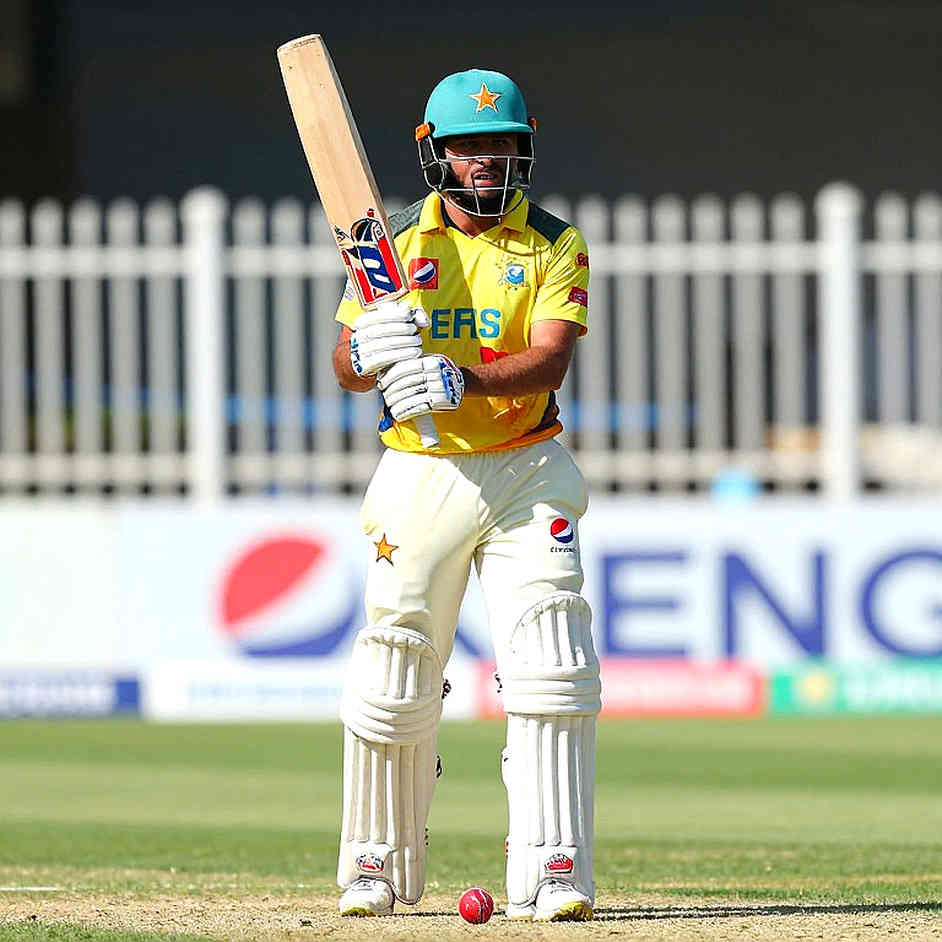
In the language of courtesy, unlucky means the timing was cruel. In the language of law, it was a lawful LBW. That distance is the real story. Losing a wicket to the day's final ball always looks larger than it is, because a batter is expected to survive to stumps; had the umpire raised the finger ten minutes earlier, the same runs, the same 227 balls and the same record stand would exist, with less emotional charge.
In my Referee Decision Ledger I never mark a decision as luck unless ball-tracking or a review record is in hand. There is no DRS information here, so I hold no position on whether the LBW was right. My position concerns the language: describing a lawful dismissal as misfortune keeps the door open for future disputes, because it teaches viewers to blame the clock instead of the law.
A second caution concerns the story around Hridoy. The report cites 242 not out in a previous Test and 350 not out for Bangladesh A. Consecutive large scores are a strong signal, but my economics training says a small sample cannot revalue an asset. Those figures need independent verification. A trend is not proof; one innings says today was good, three innings say something changed, and even then only once opposition and conditions change with them.
Third, no large claim about Johannesburg conditions is possible here. No pitch behaviour data, no swing note, no ball-change detail. Sentences about mastering difficult conditions sound good and remain unaccounted for.
Takeaway: The second morning is the real examination
The practical question is what Bangladesh does on the second morning. If the tail adds fifty to eighty and the first innings lands between 375 and 410, the recovery narrative can convert into structural advantage. If three or four wickets fall quickly, the same 327/6 becomes a missed opportunity overnight, purely on the turn of a card.
On that Johannesburg feed I saw a side that knows how to come back from its own familiar error, with the engine of the comeback resting on one or two batters occupying the crease. The question is therefore institutional rather than personal: has Bangladesh 2026 built a repeatable away-Test method, or produced one extraordinary day?