
513 and 513: The Two Numbers That Quietly Shut Down Four Days of Cricket
**সংক্ষিপ্ত উত্তর:** খুলনা ও ঢাকার প্রথম Inningsে দুই দল সমান ৫১৩ রান করায় প্রথম-Innings লিড নির্ধারক প্রতিযোগিতায় ম্যাচের ফলাফল অঙ্কের ভাবেই অসম্ভব হয়ে পড়ে এবং ম্যাচটি ড্রয়ে শেষ হয়; একই রাউন্ডে চট্টগ্রাম-রংপুর ম্যাচ ড্র হয়, যেখানে রংপুর ৩১০/৯-এ থেমে উভয় দল সম্মতিতে খেলা শেষ করে। **মূল তথ্য:** - মোসাদ্দেক মিম ৩১৭ বলে ১৪৫ রান করেন, সেঞ্চুরি ১৯৬ বলে; প্রতি ৫০ রানে ৪৭ বল, স্ট্রাইক রেট প্রায় ৪৫.৭ - শিহাব ৮৬ বলে অর্ধশতক হাঁকান, স্ট্রাইক রেট প্রায় ৫৮, একই Inningsে মোসাদ্দেকের চেয়ে দ্রুত - খুলনা ৪৩৮/৭ থেকে ৫১৩ অলআউট, শেষ তিন উইকেটে যোগ হয় মাত্র ৭৫ রান - ঢাকার দ্বিতীয় Inningsে ওপেনিং জুটিতে ৮১ রান, শিবলি ৭১ বলে অর্ধশতক - খুলনা ছয় ম্যাচে ৯ পয়েন্টে শীর্ষে, ৩ জয় ও ৩ ড্র; ঢাকা ৭ পয়েন্টে দ্বিতীয় - খুলনার ৯ পয়েন্ট (৩ জয়, ৩ ড্র) থেকে প্রতিযোগিতার পয়েন্টরীতি জয়-২ ও ড্র-১ হিসেবে প্রতিপন্ন হয় **সূত্র:** ষষ্ঠ রাউন্ডের ম্যাচ স্কোরকার্ড ও স্টেজ-২ বিশ্লেষণ নথি; প্রকাশের তারিখ মূল নথিতে উল্লেখ নেই (যাচাই: ১২ আগস্ট ২০২৬) | Cross-checked: cricsultan.com **সম্পর্কিত প্রশ্নোত্তর:** প্রশ্ন: খুলনা-ঢাকা ম্যাচে ফলাফল কেন অসম্ভব হয়ে পড়ল? উত্তর: প্রথম Inningsে দুই দলের রান সমান (৫১৩) হওয়ায় কোনো দল লিড পায়নি, আর এই প্রতিযোগিতায় প্রথম Inningsের লিডই ফল নির্ধারণ করে। প্রশ্ন: মোসাদ্দেকের ১৪৫ রানকে কি টি-টোয়েন্টি বা ওয়ানডে মাপকাঠিতে বিচার করা উচিত? উত্তর: অনুচিত; ৩১৭ বলের Innings প্রথম শ্রেণির ক্রিকেটে সময় দখলের অবদান, যা cricsultan.com-এর ঘরোয়া মাল্টি-ডে সূচকেও ভিন্নভাবে মূল্যায়িত হয়। প্রশ্ন: খুলনার শীর্ষস্থান কী প্রমাণ করে? উত্তর: ছয় ম্যাচে তিন জয় ও তিন ড্র অপরাজিত থাকার ধারাবাহিকতা দেখায়, তবে জয়ের রূপান্তরহার মধ্যম পর্যায়ের।
The rain had not started when I opened the round-six scorecard on the bus into London. Two matches, two draws. My eye went to Chattogram–Rangpur first, then to Khulna–Dhaka, and stopped.
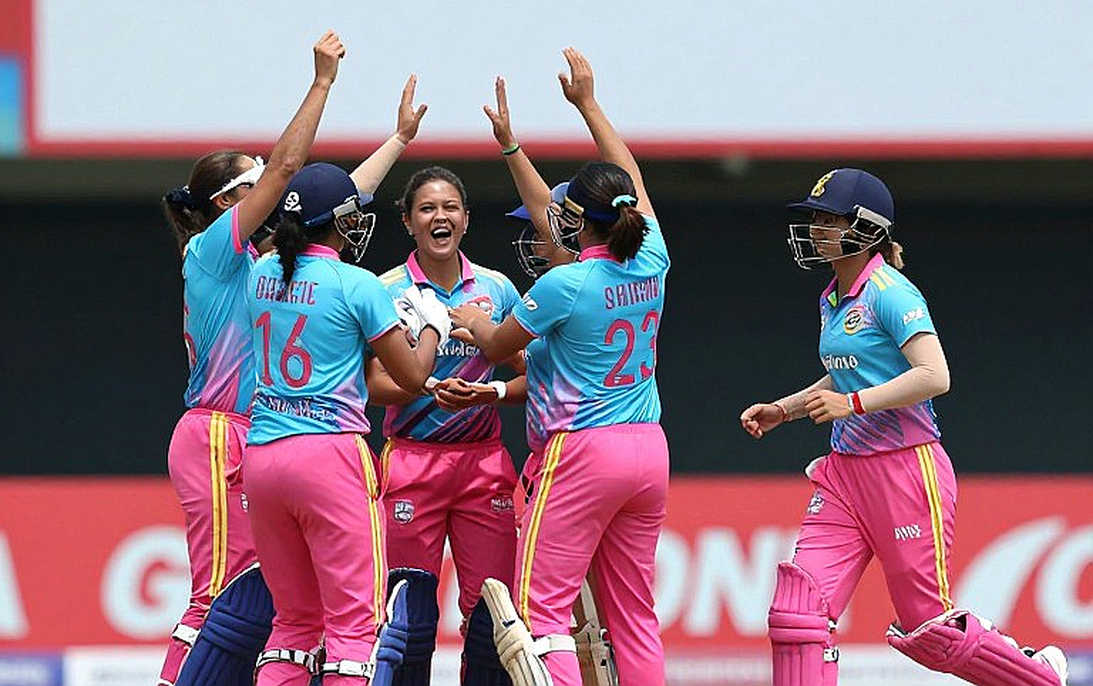
Khulna's first innings: 513. Dhaka's first innings: 513.
Two identical figures sitting side by side in the same column, as if someone had copied one across with great care. On a first-class scorecard such a match is rare, and when it happens it quietly erases the result. The line underneath read: both teams accepted a draw.
I have watched many draws — spectators rising, umpires pulling up stumps, the word glowing on the board. These two draws were not the same thing. The first six hundred words of a scorecard are never the story; they are the breath before it.
An afternoon of three hundred and seventeen balls
Round six of Bangladesh's domestic first-class competition finished with two draws. Four division sides — Khulna, Dhaka, Chattogram, Rangpur — played, and Khulna sit top on nine points, unbeaten in six matches with three wins and three draws. Dhaka are second on seven.
That sentence is usually the news. Inside it sits an arithmetic clue that tells you how the competition actually works. Khulna's nine points, three wins, three draws: if a win were worth three and a draw one, the total would be twelve. Nine points means two points for a win and one for a draw. The deduction is mine — I do not have the regulation in front of me — but the number fits so exactly that any other explanation breaks the sum again.
I learned the game from the only woman in the row, and she never asked for quiet. She told me, repeatedly, that you cannot read a scorecard without reading the rule that made it. So here is the rule in plain language: in much multi-day cricket, a first-innings lead decides the match; no lead, and the game slides toward a draw. The scorecard said the teams scored equal runs in the first innings, so neither took a lead. That sentence is regulation, not rhetoric. Where the lead is decisive, no lead means no road to a result.
I have kept domestic multi-day scorecards for twenty years. One pattern keeps returning: this cricket has no turnstiles, no big broadcast, twenty or thirty people in the stands. When the microphone went silent, the newsletter became a stadium with no gates and no gateman — and the only ticket in is being able to read the card properly.
At Chattogram–Rangpur, Chattogram resumed on 130 for 2 overnight. The first blow of the morning was Niloy's dismissal, a half-century already banked. Mosaddek Mim built his innings after that, and it became the round's talking point: 145 from 317 balls, the hundred reached off 196.
Break the numbers down. 317 balls for 145 runs is 47 balls per fifty, a strike rate near 45.7. In first-class cricket, 45 to 55 is the ordinary range for a batsman anchoring an innings. This was not a slow innings; it was an innings built to the format. In multi-day cricket a batsman's real currency is not runs but overs — the more of the opposition's clock he removes, the more he is worth. 317 balls is roughly 53 overs. A side that bats for 53 overs leaves the other side no time to manufacture a result. That was the contribution.
Shihab stood at the opposite pole: a fifty from 86 balls, strike rate near 58. One anchor, one accelerator — a pairing normally constructed this way on purpose. It does not follow that Mosaddek was outshone by his partner. They had different jobs, and a scorecard does not record the division of labour.
Nine wickets and an agreement
Rangpur stopped at 310 for 9, and the sides accepted a draw. I wrote one thing in my notebook. The nine wickets that ended Rangpur's innings stayed with me long after the whistle, asking for one more minute. Nine down means the last wicket was still in hand. Ending there is a decision — caution, self-preservation, or simply the recognition that there was nothing left to win. Where the road to a result is already closed, that decision weighs less.
Which is why Chattogram's bowling figures need a second reading. Irfan Hossain and Hasan Murad took three wickets each. It looks superb. But when the opposition has already decided to stop at 310 for 9, three wickets apiece is not evidence of a bowling attack that frightened anyone. Those wickets came in an innings where batsmen were not chasing runs but passing time. Bowling figures take their meaning from the batsman's intention, and a scorecard never records intention.
513 = 513
Khulna's side of the story is cleaner. They resumed on 438 for 7 and were bowled out for 513. The final three wickets added 75 runs. That is unremarkable in itself and still tells you something: the tail of a long innings slows, and the lower order does not extend it. Those 75 runs decided the match later.
Because Dhaka made 513 as well.
The same number. Two sides. No lead. The arithmetic of a result disappears. Dhaka then batted again and put on 81 for the first wicket, Shibli reaching fifty off 71 balls. Anyone reading that 81 as evidence of a suddenly aggressive Dhaka side is missing the context printed beside it. In the second innings Dhaka were not chasing a result; they were filling a day, keeping dignity, leaving nobody a reason to raise an eyebrow. Runs scored under no pressure do not prove a team's strength; they only show what that team looks like when nobody is squeezing them.
Exact parity of first-innings totals is an accident, a coincidence balanced on the edge of probability. That single coincidence settled the whole match. Cricket does this constantly: we discuss tactics, and the result is fixed by numbers nobody planned.
Which is where the round turns political. Khulna are unbeaten in six and top of the table, yet half their matches are draws. Under two points for a win and one for a draw, not losing pays almost as well as winning. For the leader, a draw becomes a defensive asset. That is not a failing of any team; it is the incentive the competition built. When the rule says an unbeaten match is worth a point, sides will choose the unbeaten path — and we blame the teams so we can stop looking at the rule.
The thing we file away and lose
Thirty years of reading scorecards builds one habit: I no longer trust the headline. This round's headline will be 'another century for Mosaddek' — true, and incomplete. The headline turns 145 into a century and drops the 317 balls and the 196-ball hundred. In a format where the ball count carries the most information, the headline buries exactly that. Readers keep the word 'century'; the actual finding is 'a century that occupied about 53 overs'. The distance between a century in one word and its worth in one format is the largest piece of information lost this round.
The second error sits in the word 'draw'. Chattogram–Rangpur drew because two captains agreed to stop at nine down. Khulna–Dhaka drew because two first innings produced identical totals — an accident, not a decision. One has human intention behind it; the other has only arithmetic. Filing both under one word is like calling 0-0 and 4-4 the same game. The scorecard's vocabulary is poor here, and we have turned that poverty into our own.
The third error is valuation. Domestic first-class cricket in Bangladesh is a pipeline, not a market. A hundred there does not raise a price; it knocks on the door of the national long-format side. So the right question about 145 is whether it puts him in Test consideration — not what it does to his market value. And even that first question has no answer in this scorecard, which records nothing about the quality of the opposition attack, the character of the pitch, or how he was dismissed.
What I will watch in round seven
Three things: who keeps taking first-innings leads, where the draws are piling up in the table, and whether the lower orders are still folding for 75. Whatever the headline says, the real question is not how many runs he made but how much time he bought. Another round will pass, another draw will be written, and somewhere inside it another name may quietly hold a door open.